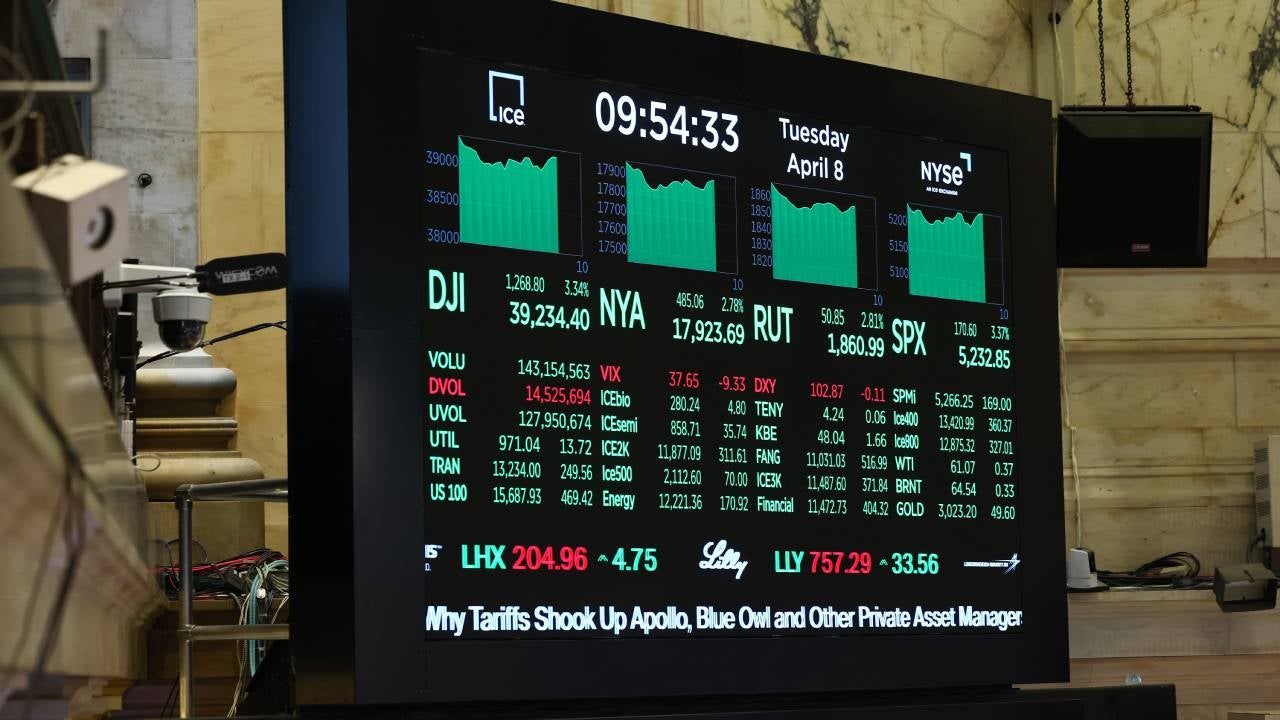
The financial world is a constant theater of competition, and few matchups draw as much attention as the perennial debate of the Nasdaq vs S&P 500. Investors and analysts alike frequently ponder which of these bellwether indices will deliver superior performance. While focusing on a single day like July 7th might seem like a narrow lens, it provides a fascinating microcosm for understanding the underlying forces that drive these giants. Will the tech-heavy Nasdaq push ahead, or will the broader diversification of the S&P 500 offer more resilience and growth?
The paths of tech stocks and broader market indices often diverge, reflecting shifts in economic sentiment, interest rates, and investor appetite for risk. Understanding the distinct characteristics and compositions of the Nasdaq Composite and the S&P 500 is crucial for anyone looking to navigate the complexities of the U.S. stock market, whether for a specific day's outlook or a long-term investment strategy. Let's delve into what makes each index unique and what factors could influence their "win" on any given day.
Understanding the Contenders: Nasdaq Composite vs. S&P 500
To predict which index might perform better on a specific date, it's essential to first grasp the fundamental differences in their construction, composition, and underlying philosophy. While both are critical indicators of market health, they represent distinct facets of the American economy.
The Nasdaq Composite: A Hub for Innovation and Growth
The Nasdaq Composite Index is often synonymous with technology and growth. It's a market-capitalization-weighted index of more than 3,000 common equities listed on the Nasdaq stock market. While it includes companies from various sectors, its DNA is undeniably steeped in innovation. Technology and biotechnology companies form the largest component, giving the Nasdaq a distinct character.
- Sector Concentration: Heavily weighted towards information technology, communication services, and consumer discretionary (which includes many e-commerce giants).
- Growth Orientation: Tends to feature companies with high growth potential, often reinvesting profits into expansion rather than paying dividends.
- Volatility: Due to its concentration in growth sectors, the Nasdaq Composite can be more volatile than broader market indices, experiencing larger swings both up and down. It thrives during periods of strong economic growth and low interest rates, as future earnings projections are valued more highly.
For investors seeking exposure to cutting-edge industries and companies driving future economic trends, the Nasdaq is often the go-to benchmark. Its performance is highly sensitive to shifts in technological innovation, consumer adoption of new tech, and the cost of capital.
The S&P 500: A Barometer of the Broader U.S. Economy
In contrast, the S&P 500 Index is widely considered the best single gauge of large-cap U.S. equities and a proxy for the overall health of the American economy. It comprises 500 leading companies representing approximately 80% of the total U.S. stock market capitalization.
- Broad Diversification: Unlike the Nasdaq, the S&P 500 is diversified across 11 major sectors, including technology, financials, healthcare, industrials, consumer staples, utilities, and energy. This broad representation offers a more balanced view of the economy.
- Large-Cap Focus: It primarily includes established, large-capitalization companies, many of which have a long history of profitability and dividend payments.
- Stability: Its diverse composition generally makes the S&P 500 less volatile than the Nasdaq Composite, though it is certainly not immune to market downturns. It represents a more mature cross-section of corporate America.
The S&P 500's performance is driven by a wider array of economic factors, from consumer spending and manufacturing output to corporate earnings across diverse industries. It's often the index chosen by investors looking for broad market exposure and more stable, albeit potentially slower, growth.
Factors Driving Performance Divergence
While both indices can often move in the same direction, there are critical periods where their performance diverges significantly. Understanding these drivers is key to anticipating which index might "win" on a specific day, such as July 7th.
Sectoral Concentration Matters
The most immediate and impactful driver of divergence is their differing sectoral concentration. A surge in enthusiasm for artificial intelligence, for instance, might disproportionately boost the Nasdaq due to its heavier allocation to tech giants involved in AI development. Conversely, if there's a rotation into "value" stocks or a rally in sectors like energy or financials, the S&P 500, with its broader representation, might see a stronger uplift or less severe decline than the Nasdaq.
For a deeper dive into how these indices historically move and why their compositions lead to different outcomes, you might find our article Nasdaq vs S&P 500: Understanding Diverging Market Trends particularly insightful.
Macroeconomic Influences
Macroeconomic conditions exert a powerful influence, often affecting growth stocks more acutely than established, diversified companies:
- Interest Rates: Higher interest rates generally have a more pronounced negative impact on growth stocks (prevalent in Nasdaq). This is because the valuation of growth companies relies heavily on future earnings, which are discounted more steeply when interest rates rise.
- Inflation: Persistent inflation can squeeze profit margins for many companies. While some sectors might pass on costs, others, particularly those in competitive tech spaces, might struggle more. Inflation can also lead central banks to hike rates, further impacting growth stocks.
- Economic Growth Forecasts: Optimistic forecasts for GDP growth often fuel investor confidence in innovative companies, benefiting the Nasdaq. Conversely, signs of an economic slowdown might lead investors to seek the relative safety and stability found in some S&P 500 sectors like consumer staples or healthcare.
- Geopolitical Events: Global instability can trigger "risk-off" sentiment, leading investors to pull back from more volatile growth assets (Nasdaq) and seek the perceived safety of broader, more diversified investments.
Investor Sentiment and Market Cycles
Market psychology plays a significant role. During periods of exuberance or a "risk-on" environment, investors might flock to high-growth tech stocks, pushing the Nasdaq higher. Conversely, in "risk-off" periods, when fear dominates, capital often flows into more defensive sectors, potentially benefiting the S&P 500's broader composition. These shifts can be rapid and dramatic, influencing daily performance significantly. Similarly, if you're keen to explore the fundamental differences between the companies that comprise each, check out Nasdaq vs S&P 500: Tech Stocks vs Broader Market.
Analyzing the July 7th Scenario: What to Watch
Predicting the exact "winner" on a specific date like July 7th is inherently speculative, as market movements are influenced by a multitude of unpredictable factors. However, by understanding the typical drivers, we can outline what an astute investor would be monitoring to gauge potential performance.
Leading up to and on July 7th, several data points and events would likely be at the forefront of investors' minds:
- Economic Data Releases: Any scheduled announcements regarding inflation (CPI, PPI), employment figures (non-farm payrolls, jobless claims), or manufacturing/services PMIs (Purchasing Managers' Index) would be closely watched. Strong inflation or a hawkish outlook from the Federal Reserve could weigh more heavily on Nasdaq's growth stocks.
- Federal Reserve Commentary: Any speeches, minutes from previous meetings, or even subtle indications from Fed officials about future monetary policy could significantly impact market sentiment. A hawkish stance typically dampens tech stock enthusiasm.
- Corporate Earnings Season: While early July might be between major earnings seasons, any pre-announcements, revised guidance from major companies, or analyst upgrades/downgrades can ripple through the market. Negative news from a large-cap tech company could drag the Nasdaq disproportionately.
- Global Market Sentiment: Developments in international markets, particularly in major economies like Europe or China, can influence U.S. indices. Geopolitical tensions or commodity price fluctuations are also crucial considerations.
Practical Tip for Investors: On a specific day like July 7th, instead of trying to predict a single winner, focus on the immediate news cycle. Is there a sudden interest rate hike rumor? A major earnings surprise from a tech giant? A geopolitical incident? These real-time events are the most likely short-term catalysts for one index outperforming the other. Remember, such day-to-day movements often represent market noise rather than long-term trends.
Investing Insights and Strategy
While the allure of picking a "winner" on a given day is strong, a robust investment strategy looks beyond short-term fluctuations. The dynamic relationship between the Nasdaq and the S&P 500 offers valuable lessons for long-term investors.
Diversification is Key
Neither the Nasdaq Composite nor the S&P 500 is inherently "better" over all time horizons. They serve different roles in a portfolio. The Nasdaq offers exposure to high-growth, innovative companies, representing potential for significant upside but also higher volatility. The S&P 500 provides broader market exposure, balancing growth potential with the stability of diversified sectors.
Many investors choose to hold both indices, often through ETFs (e.g., QQQ for the Nasdaq 100, SPY or VOO for the S&P 500), to achieve a balanced portfolio that benefits from both technological advancements and the stability of the broader economy. This approach aims to capture growth opportunities while mitigating the risks associated with overconcentration in any single sector.
Long-Term vs. Short-Term Perspective
The daily "winner" between the Nasdaq and S&P 500 is largely insignificant for long-term investors. Market movements on a single day are often driven by sentiment, technical trading, or isolated news events that do not reflect fundamental economic shifts. A focus on daily performance can lead to emotional decisions and suboptimal outcomes. Instead, investors should align their portfolio with their long-term financial goals, risk tolerance, and investment horizon.
Actionable Advice for Investors
- Define Your Goals: Understand what you're investing for and your comfort level with risk.
- Diversify Broadly: Don't put all your eggs in one basket. Consider a mix of growth and value, and broad market exposure.
- Automate Investing: Use dollar-cost averaging to smooth out market volatility over time.
- Stay Informed, Not Obsessed: Keep abreast of major economic trends and news, but avoid reacting to every daily market fluctuation.
- Consult an Advisor: If unsure, seek professional financial advice tailored to your specific situation.
Conclusion
The question of whether the Nasdaq or S&P 500 will "win" on July 7th is a compelling one, highlighting the ever-present tug-of-war between high-growth technology and the broader, more diversified economy. On any given day, the victor will be determined by a complex interplay of current economic data, interest rate expectations, investor sentiment, and specific corporate news. The Nasdaq, with its concentration in technology and growth, typically thrives on optimism and lower interest rates, while the S&P 500, representing a wider swath of American industry, often exhibits more stability and resilience across various economic conditions.
For investors, the true "win" isn't about outperforming for a single 24-hour period. Instead, it lies in understanding the distinct characteristics of these powerful indices and leveraging them to build a well-diversified, long-term portfolio aligned with personal financial objectives. While July 7th will undoubtedly crown a short-term winner, the enduring lesson is the importance of a strategic, informed approach to investing that transcends daily market noise.